
HDPE GRANULES
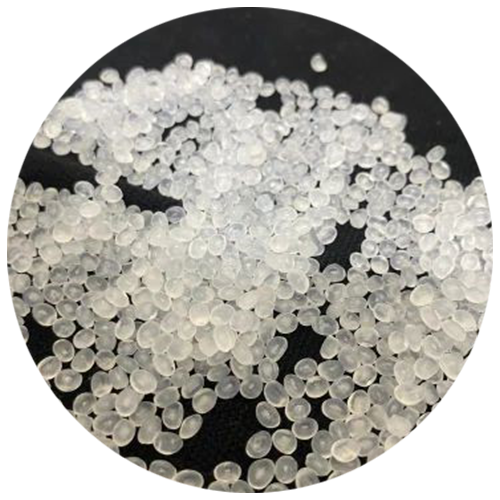
HDPE Granules: Versatile Material for Manufacturing and Packaging
HDPE (High-Density Polyethylene) granules are a popular thermoplastic material known for their versatility, durability, and wide range of applications across industries. Produced through the polymerization of ethylene under high pressure, HDPE granules offer exceptional strength, chemical resistance, and processing properties, making them an ideal choice for various manufacturing and packaging needs.
Key Features:
- High Density and Strength: HDPE granules are characterized by their high density and strength, providing excellent mechanical properties such as stiffness, impact resistance, and tensile strength. This inherent strength makes HDPE suitable for manufacturing products that require durability and structural integrity.
- Chemical Resistance: HDPE is highly resistant to a wide range of chemicals, including acids, alkalis, and solvents, making it suitable for packaging and storing a variety of substances. This chemical inertness ensures that HDPE containers maintain the integrity of their contents without leaching or contamination.
- Versatile Processing: HDPE granules are versatile in terms of processing methods, allowing for injection molding, blow molding, extrusion, and thermoforming processes. This versatility enables manufacturers to produce a wide range of products, including bottles, containers, pipes, films, and more, with varying shapes, sizes, and configurations.
- Recyclability: HDPE is a readily recyclable material, contributing to sustainability and environmental conservation efforts. Recycled HDPE can be used to produce new products, reducing the consumption of virgin materials and minimizing waste generation.
Applications:
- Packaging: HDPE granules are widely used in packaging applications for producing bottles, containers, jugs, and closures for food, beverages, household products, and industrial chemicals. HDPE packaging offers excellent barrier properties, moisture resistance, and impact strength, ensuring the safety and freshness of packaged goods.
- Construction: HDPE pipes and fittings made from HDPE granules are extensively used in the construction industry for water supply, drainage, and sewage systems. HDPE's high tensile strength, flexibility, and corrosion resistance make it a preferred choice for underground and above-ground piping applications.
- Consumer Products: HDPE granules are used in the manufacturing of various consumer products, including toys, household goods, furniture, and automotive parts. Its lightweight, durable, and moldable properties make HDPE an ideal material for producing a wide range of functional and aesthetic products.
- Industrial Applications: HDPE granules find applications in various industrial sectors, including agriculture, chemical processing, and packaging. HDPE films and sheets are used for agricultural mulching, pond liners, and geomembranes, while HDPE containers and drums are used for storing and transporting chemicals and hazardous materials.
Environmental Considerations:
HDPE is recognized for its environmental sustainability and recyclability, contributing to circular economy initiatives and reducing the environmental footprint of plastic products. Efforts to promote HDPE recycling and adopt eco-friendly manufacturing practices further enhance its environmental credentials.

Conclusion:
HDPE granules are a versatile and reliable material for manufacturing and packaging applications, offering exceptional strength, chemical resistance, and processing properties. With their wide range of applications across industries and environmental sustainability, HDPE granules play a vital role in modern manufacturing and contribute to a more sustainable future.