
CALCIUM CARBONATE
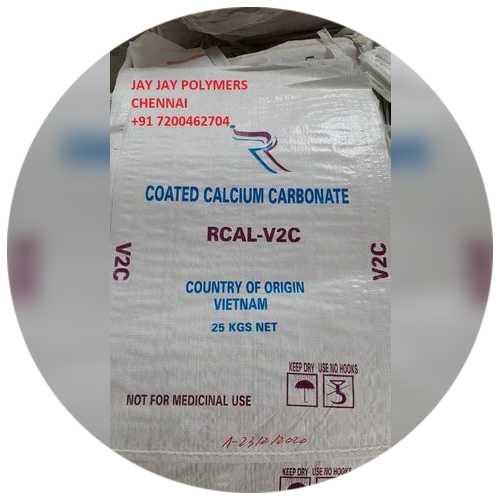
Calcium Carbonate: Versatile Mineral for Industrial and Consumer Applications
Calcium carbonate is a naturally occurring mineral compound with a myriad of applications across industries. Renowned for its versatility, calcium carbonate is utilized in various forms to meet diverse needs in manufacturing, construction, agriculture, and healthcare.
Key Features:
- Abundant Resource: Calcium carbonate is one of the most abundant minerals on Earth, found in sedimentary rocks, limestone, and marble. Its widespread availability contributes to its cost-effectiveness and suitability for large-scale industrial use.
- Chemical Composition: Chemically, calcium carbonate is composed of calcium, carbon, and oxygen atoms, with the molecular formula CaCO3. It exists in several crystalline forms, including calcite, aragonite, and vaterite, each with unique properties.
- Versatility: Calcium carbonate exhibits remarkable versatility, manifesting in various forms such as powders, granules, and precipitated or ground particles. This versatility enables its application in a wide range of industries and processes.
- pH Buffering: In addition to its role as a mineral filler and pigment, calcium carbonate serves as an effective pH buffer in industrial processes and agricultural practices. Its ability to neutralize acidic substances contributes to its utility in diverse applications.
Applications:
- Construction: In the construction industry, calcium carbonate is employed as a filler and extender in the production of cement, concrete, and asphalt. It enhances the strength, durability, and workability of construction materials while reducing costs.
- Paper and Packaging: Calcium carbonate is widely used as a coating pigment and filler in the paper and packaging industry. It improves the brightness, opacity, and printability of paper products, leading to higher quality and more sustainable packaging solutions.
- Plastics and Polymers: As a functional filler, calcium carbonate enhances the mechanical properties and dimensional stability of plastics and polymer composites. It is commonly incorporated into polymer matrices to improve stiffness, impact resistance, and processing efficiency.
- Pharmaceuticals: In the pharmaceutical industry, calcium carbonate serves as an excipient in tablet formulations and antacid medications. Its antacid properties make it effective in neutralizing excess stomach acid and providing relief from heartburn and indigestion.
- Agriculture: Calcium carbonate is used in agriculture as a soil amendment to correct soil pH levels and provide essential calcium nutrients to plants. It enhances soil structure, promotes nutrient uptake, and improves crop yields in various agricultural systems.
Environmental Considerations:
While calcium carbonate is generally considered safe and environmentally benign, its mining and processing can have localized environmental impacts, including habitat disturbance and water pollution. Sustainable mining practices and recycling initiatives help mitigate these environmental concerns.

Conclusion:
Calcium carbonate is a versatile mineral with widespread industrial and consumer applications, ranging from construction and manufacturing to agriculture and healthcare. Its abundance, versatility, and beneficial properties make it an indispensable ingredient in numerous products and processes, contributing to sustainable development and innovation across industries.